
When Do You Need to Waterproof Retaining Walls?
Retaining walls are unsung heroes of many landscapes, providing support and preventing soil erosion. However, they are constantly exposed to the elements, making them susceptible to water damage. Waterproofing these structures is essential to ensure their longevity and effectiveness. In this article, we'll explore the signs that indicate when it's time to waterproof your retaining walls and how ZSC Waterproofing can assist in safeguarding these crucial elements of your property.
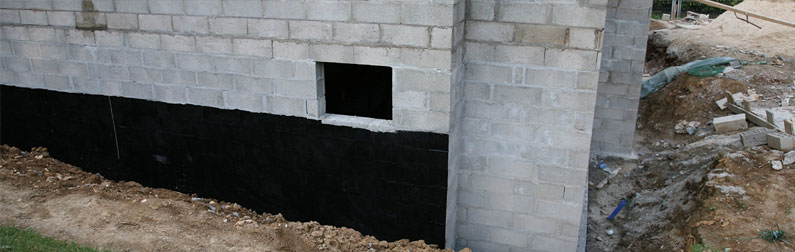
Understanding the Role of Retaining Walls:
Retaining walls serve the vital purpose of holding back soil and preventing erosion on sloped terrain. They are commonly used in landscaping to create level areas, terraces, and provide structural support to gardens, driveways, and pathways.
Signs Your Retaining Wall Requires Waterproofing:
Efflorescence:
Efflorescence is the crystalline deposit of salts that forms on the surface of concrete or masonry. It's a clear indicator that moisture is present within the retaining wall and can lead to structural issues over time.
Stains or Discoloration:
Persistent dampness or water penetration can lead to unsightly stains or discoloration on the surface of the retaining wall. These visual cues suggest that water is infiltrating the structure.
Cracks or Deterioration:
The presence of cracks, spalling (chipping or flaking), or other forms of deterioration are indicative of water damage. As water seeps into the retaining wall, it can weaken the structure, compromising its stability.
Saturated Soil Behind the Wall:
If you notice that the soil behind the retaining wall remains consistently wet or saturated, it's a sign that water is not properly draining away. This can exert additional pressure on the wall, potentially leading to failure.
The Importance of Waterproofing Retaining Walls:
Preserving Structural Integrity:
Waterproofing creates a protective barrier that prevents water from seeping into the retaining wall. This preserves the structural integrity and ensures the wall remains stable and secure.
Preventing Soil Erosion:
By preventing water from infiltrating the retaining wall, you're also safeguarding the soil behind it. This helps maintain the desired landscaping layout and prevents erosion or shifting of the terrain.
Enhancing Longevity:
Waterproofing significantly extends the lifespan of retaining walls. It protects against the detrimental effects of moisture, freeze-thaw cycles, and other environmental factors that can lead to deterioration.
When to Consider Waterproofing:
During Construction or Installation:
The optimal time to implement waterproofing measures is during the initial construction or installation of the retaining wall. This ensures it's protected from the outset.
Upon Noticing Early Signs of Water Damage:
If you've observed any of the aforementioned signs, it's crucial to address the issue promptly. Waterproofing at this stage can prevent further damage and ensure the long-term stability of the retaining wall.
How ZSC Waterproofing Can Help:
At ZSC Waterproofing, we specialize in providing comprehensive waterproofing solutions tailored to your specific needs. Our experienced team understands the unique challenges posed by water damage to retaining walls. From sealant application to protective coatings, we employ industry-leading techniques and materials to safeguard your retaining walls.
Waterproofing is not just a protective measure; it's an investment in the longevity and stability of your retaining walls. By recognizing the signs and investing in professional waterproofing, you're ensuring that these crucial elements of your property stand strong for years to come.
Don't wait until it's too late; contact ZSC Waterproofing today to schedule a consultation and address any waterproofing issues in your property. Let us help you safeguard your investment and maintain a healthy, water-free living environment. Contact ZSC Waterproofing via