
WHAT IS CEMENTITIOUS WATERPROOFING?
Water damage can wreak havoc on buildings, leading to costly repairs and potentially dangerous structural issues. To combat this threat, engineers and builders turn to a range of waterproofing solutions. One such method that has gained prominence is cementitious waterproofing. In this blog post, we'll dive deep into what cementitious waterproofing is, how it works, its advantages, and when to consider using it.
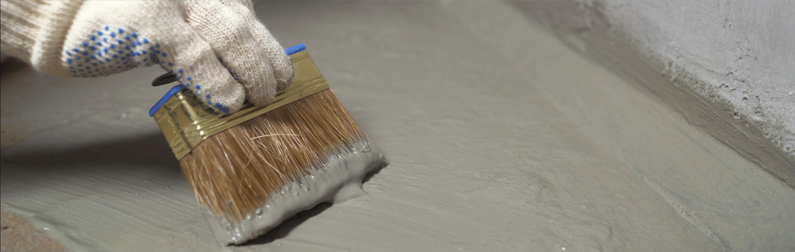
Understanding Cementitious Waterproofing
Cementitious waterproofing is a method of creating a water-resistant barrier by using a mixture of Portland cement, sand, and special additives. When applied correctly, it forms a strong, durable layer that prevents water from seeping through surfaces. This method is particularly effective for concrete structures, providing an additional layer of protection against water infiltration.
How Does It Work?
The key to the effectiveness of cementitious waterproofing lies in the chemical properties of Portland cement. When mixed with water, it undergoes a chemical reaction known as hydration, transforming into a solid, cohesive mass. The sand provides additional structure and stability to the mixture.
The resulting compound is highly resistant to water penetration, making it an excellent choice for surfaces that are prone to moisture exposure. When applied properly, cementitious waterproofing can seal cracks, joints, and pores in concrete, creating a formidable barrier against water intrusion.
Advantages of Cementitious Waterproofing
- Durability: Cementitious waterproofing offers long-lasting protection against water damage. Once applied, it can endure harsh weather conditions, making it suitable for both exterior and interior applications.
- Versatility: This method is adaptable to various surfaces, including concrete walls, floors, and even roofs. Its versatility makes it a go-to choice for a wide range of construction projects.
- Cost-effectiveness: Compared to some other waterproofing methods, cementitious waterproofing tends to be more budget-friendly. Its cost-effectiveness, combined with its durability, makes it an attractive option for many builders and homeowners.
- Breathability: Unlike some synthetic waterproofing materials, cementitious coatings allow the structure to breathe, preventing the buildup of moisture within the material itself. This characteristic is particularly important for preventing mold and mildew growth.
- Ease of Application: With the right expertise, applying cementitious waterproofing can be a straightforward process. This makes it a viable option for both professional contractors and experienced DIYers.
When to Consider Cementitious Waterproofing
Basements and Foundations: Given their proximity to the soil, basements and foundation walls are particularly vulnerable to water intrusion. Applying cementitious waterproofing can provide a robust defense against groundwater seepage.
Swimming Pools and Water Features: Cementitious waterproofing is an excellent choice for sealing concrete structures that come into direct contact with water. It can protect against the corrosive effects of water and chemicals.
Roofs and Balconies: Flat or low-slope roofs, as well as balconies, can benefit from a cementitious waterproofing application. It adds an extra layer of protection against rain, ensuring that moisture doesn't penetrate the building envelope.
In conclusion, cementitious waterproofing is a versatile, cost-effective, and durable solution for safeguarding structures against water damage. By understanding its advantages and knowing when to apply it, builders and homeowners can take proactive steps to protect their investments and ensure the longevity of their buildings. Whether it's a basement, roof, or swimming pool, cementitious waterproofing stands as a reliable defense against water infiltration.